
Comprehensive Network Security & Threat Protection
Defending Networks Against Modern Threats
Tech Hero believes in a proactive approach to your business's safety that results in a well-designed and comprehensive information security solution.
At Tech Hero, we understand that threats to email, Web browsing and messaging are getting more and more sophisticated and continue to rise. Even small businesses have to contend with regulatory and compliance issues. Are you prepared to address the risks associated with lost productivity, loss of data, lawsuits or penalties for non-compliance?
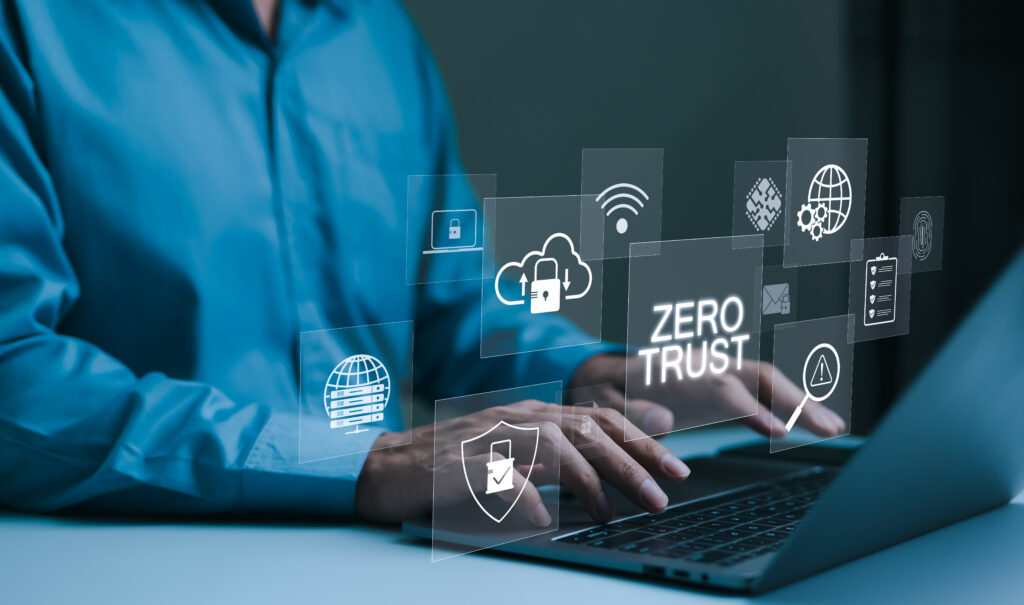
Comprehensive Information Security Solutions
At our core, we specialize in the planning, implementation, auditing, monitoring, and management of complete information security strategies. Security is not something you can “set and forget,” nor is it a patchwork of disconnected tools. It requires a proactive, multi-layered approach to defend against the ever-evolving threats of today’s cyber landscape.
From viruses and hackers to spam, phishing, and advanced attacks, we deliver the expert protection your business needs to safeguard its data, systems, and communications. Our tailored solutions are designed around your organization’s goals and budget, ensuring you get the right balance of protection and value.
Our Security Services Include:
- Email Protection – Keep threats out of your inbox
Stop spam, viruses, phishing scams, and directory harvest attacks before they ever reach your network. Protect your infrastructure, save bandwidth, and keep communications safe. - Email Archiving – Secure storage and retrieval
Comply with regulatory requirements and streamline communication management. Our archiving solution stores all email securely, allowing authorized users to easily search and retrieve messages when needed. - Web Filtering – Control online activity
Block malicious downloads, prevent inappropriate content, and enhance productivity. Detailed reporting helps you monitor usage, enforce policies, and reduce legal risks. - Managed Firewall – First line of defense
A properly configured firewall is essential. We manage, monitor, and report on your firewall activity to block malicious traffic and keep your network secure. - Intrusion Prevention – Advanced threat defense
Working alongside your firewall, our Intrusion Prevention System (IPS) detects and stops sophisticated attacks. We handle setup, monitoring, and compliance so you stay protected and audit-ready. - Wireless Security – Protect your network access
Unsecured Wi-Fi is an open door to attackers. Our Certified Wireless Network Administrators (CWNA) assess, secure, and modernize your wireless infrastructure, ensuring only trusted users have access. - Vulnerability Analysis – Find and fix weak points
Cyber threats evolve daily. We perform ongoing vulnerability scans to identify risks and provide actionable recommendations to strengthen your security posture.
Why Choose Us?
We don’t just provide tools—we deliver end-to-end information security management that adapts as threats evolve. Whether protecting email, monitoring firewalls, or securing your wireless network, we keep your business one step ahead of cybercriminals.
Stay informed: Sign up for our newsletters to receive the latest insights on cybersecurity challenges facing small and mid-sized businesses.
-
Email Protection - Prevent spam and viruses from reaching your inbox
Email Protection stops spam, viruses and phishing scams from reaching your network and getting into your email inbox. Various spam and Directory Harvest Attacks on your network are stopped before they reach your infrastructure, saving valuable network bandwidth. -
Email Archiving - Store, archive and search all email communications
Email Archive allows your organization to securely archive and store all email communications. Authorized users can search and retrieve any email for compliance or regulatory requirements across the entire organization. -
Web Filtering - Block malicious or inappropriate Web content
Web Protection stops malicious Web content from being downloaded and enhances productivity by blocking programs or viruses. Web protection also helps reduce legal liabilities by blocking inappropriate sites and content. Comprehensive reports allow you to monitor Web traffic and adjust your policies based on usage. -
Managed Firewall - Block malicious traffic
A firewall is an essential part of any organization's information security infrastructure. We will configure, maintain & monitor your firewall, as well as provide you with regular reports or review them for you. -
Intrusion Protection - Apply a virtual patch to your network
An Intrusion Protection System (IPS) often works in conjunction with a firewall and further protects your network. Some regulations require the installation, maintenance and monitoring of an Intrusion Protection System (IPS). We monitor and maintain these highly sophisticated systems for you and ensure your regulatory compliance. -
Wireless Information Security - Do you know who is using you network?
What you can't see can't hurt you - right? Maybe NOT! What was secure last month might be a vulnerability today. If your wireless access point or infrastructure hardware is older than 2007, you are probably not protected adequately. If you have any doubts on the integrity and information security of your wireless setup or you are considering a secure wireless implementation, don't hesitate to call us. Our certified wireless experts (CWNA) will help you find and implement the best solution. -
Vulnerability Analysis- Pinpoint the weak spots in your network
Information Security threads are constantly proliferating, so to keep your information security posture in line with the latest treads, we perform regular vulnerability analyses on an ongoing basis. If we find problems, we will recommend improvements to your information security posture. - To learn more, sign up for our Newsletters and stay on top of Information Security issues facing small and medium businesses.
FAQ
What is network security?
Network security is the set of policies, tools, and practices used to protect the integrity, confidentiality, and availability of data and systems as they move across or sit on a network. It covers hardware, software, and human processes.
What's the difference between a threat, a vulnerability, and a risk?
A threat is something that can cause harm (e.g., an attacker or malware). A vulnerability is a weakness that can be exploited (e.g., unpatched software). Risk is the likelihood and impact of a threat exploiting a vulnerability.
What are the most common network threats?
Malware and ransomware, phishing, DDoS attacks, man-in-the-middle (MITM) attacks, password attacks, insider threats, SQL injection, and zero-day exploits.
What does a firewall do?
A firewall filters traffic between networks based on rules (IP addresses, ports, protocols, or application behavior). Types include packet-filtering, stateful inspection, proxy, and next-generation firewalls (NGFW), which add deep packet inspection and application awareness.
What is a VPN and when should I use one?
A Virtual Private Network creates an encrypted tunnel between your device and another network. Use one for remote access to company resources, securing traffic on public Wi-Fi, and connecting sites together (site-to-site VPN). A VPN doesn’t make you anonymous or protect against malware.
What is network segmentation?
Dividing a network into smaller zones (using VLANs, subnets, or firewalls) so that a breach in one area can’t easily spread to others. For example, separating guest Wi-Fi, IoT devices, and servers.
What is a DMZ?
A demilitarized zone is a buffer network between the internet and your internal network, typically hosting public-facing services like web or mail servers, so a compromise doesn’t expose internal systems.
What is multi-factor authentication (MFA)?
Requiring two or more proofs of identity: something you know (password), have (phone, hardware key), or are (biometrics). Hardware keys and authenticator apps are stronger than SMS codes.
What are best practices for passwords?
Use long passphrases (12+ characters), unique passwords per account, a password manager, and MFA. Avoid frequent forced rotation unless there’s evidence of compromise.
What is phishing, and how do I spot it?
Fraudulent messages designed to steal credentials or install malware. Warning signs: urgency, mismatched sender addresses or links, unexpected attachments, and requests for sensitive info. Verify through a separate channel.
What is ransomware and how can I defend against it?
Malware that encrypts files and demands payment. Defenses: offline/immutable backups, patching, email filtering, endpoint protection, least-privilege access, and tested incident response plans.
What is a zero-day vulnerability?
A flaw unknown to the vendor, with no patch available. Reduce exposure with defense in depth, network segmentation, behavior-based detection, and rapid patching once fixes are released.
Which Wi-Fi security standard should I use?
WPA3 if supported, otherwise WPA2 with AES (CCMP). Avoid WEP and WPA. Use strong passphrases, disable WPS, and separate guest traffic.
How do I secure remote workers?
Require MFA, use a VPN or Zero Trust Network Access (ZTNA), enforce device encryption and patching, use endpoint detection and response (EDR), and train staff on phishing.